The Corner Seat by the Fire: In Praise of Britain's Most Underrated Dining Institution
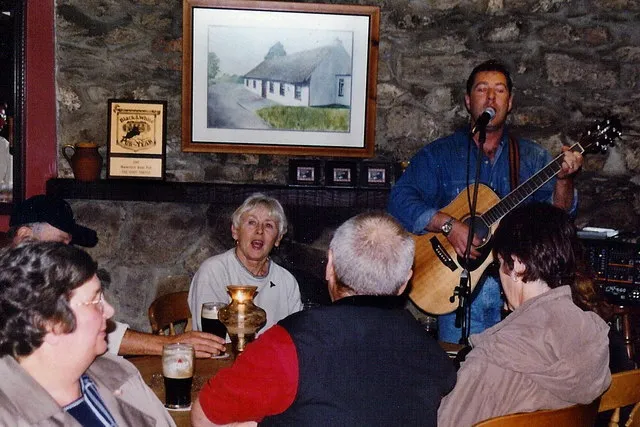
Photo: Joseph Mischyshyn, CC BY-SA 2.0, via Wikimedia Commons
There's a table in our front room that doesn't appear on any trend forecast. It's the one nearest the fire, close enough that whoever sits there gets first pick of the warmth on a January evening. It has no reservation plaque, no gimmick, no story attached to a celebrity chef. And yet it has outlasted every dining revolution of the past twenty years.
We've watched a fair few come through. Remember when everything had to be served on a slate? When street food vans were supposedly the death of the village pub? When tapas-style small plates were going to replace the Sunday roast? Each one arrived with plenty of noise, and each one eventually packed up and left. The corner table stayed put.
What the Regulars Actually Say
We asked a few of the folk who've more or less adopted that table what keeps them coming back. Their answers were refreshingly unglamorous.
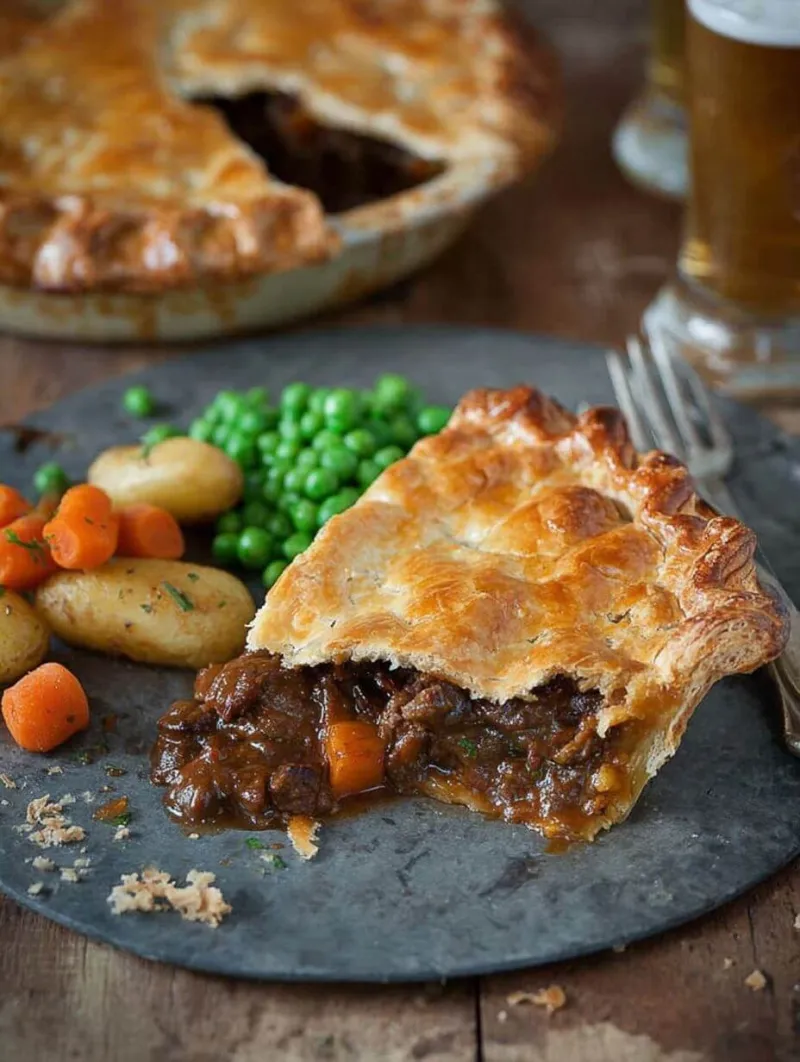
Margaret, who's been coming in since the 1980s, put it plainly: "I don't want a surprise. I want my steak pie, I want to see who's in, and I want to be able to hear myself think."
David and Sue, who walk over from Downham most Saturdays, mentioned something we hear a lot — the comfort of being known. "They know how I like my pint and they know not to rush us," David said. "You can't get that from an app."
And then there's young Tom, who moved to Chatburn for work two years ago and initially sat at the bar, unsure of the etiquette. "Someone just shifted up and made room," he said. "That was it, really. I've been here since."
That's the thing no food trend has ever managed to replicate: the moment someone shifts up and makes room.
Why Chasing Trends Does Village Pubs No Favours
There's nothing wrong with fresh ideas — our kitchen has plenty. But a village pub that reinvents itself every eighteen months stops being a landmark and starts being a stranger. The whole point of a place like the Brown Cow is that it's the fixed point. Everything else moves; we don't.
The locals' table, if we can call it that, works because it demands nothing of you. No booking window, no tasting menu, no anxiety about which fork to use. It's the opposite of the curated dining experience, and that's precisely its strength. Britain has thousands of these tables — in Dales pubs, on moorland crossroads, down lanes you'd never find on purpose — and together they form a dining institution more durable than anything with a Michelin star.
The Case for the Humble Corner Table
So here's our argument, made without apology. The locals' table is where communities negotiate, celebrate, commiserate and gossip. It's where newcomers become regulars and regulars become friends. It has survived smoking bans, the rise of the gastropub, Deliveroo, and a global pandemic. No pop-up, food truck or small-plate concept can claim anything similar.
Food trends are theatre. The corner seat by the fire is architecture — of the social kind. And as long as there's a fire to sit beside and a pie worth eating, we'll keep it exactly where it is.
Come and claim it some evening. Mind you, Margaret's usually there by seven.