Half Past Nothing: Confessions from the Dead Hour Behind Our Bar
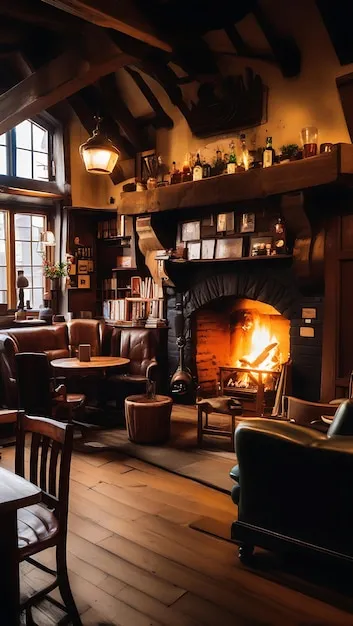
Photo: empty cosy village pub interior afternoon quiet fireplace, via img.freepik.com
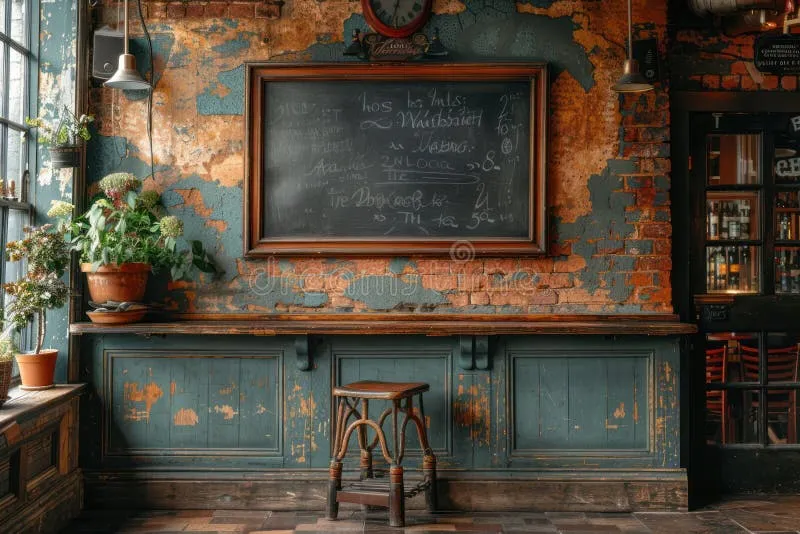
There is a moment at The Brown Cow — usually somewhere around ten past four on a Tuesday — when the pub appears to be doing absolutely nothing at all. The lunch crowd has gone home. The fires are down to embers. The specials board still advertises a ham, egg and chips that hasn't existed for two hours, and the only sound is the fridge humming and somebody, somewhere, polishing a glass that's already clean.
We call it the dead hour. And after the Tuesday I'm about to describe, I'd argue it's the most important ninety minutes of our entire day.
The Tuesday Everything Went Sideways
It started promisingly enough. By half two, the last of the lunch bookings — a walking group down from Waddington, boots muddy to the knee — had paid up and shuffled out into the drizzle. The kitchen, as is tradition, declared itself 'in the weeds' at twenty past one and then, by three, was spotless. Gleaming. Smug, almost.
Then young Danny, who does our deliveries and considers himself something of a rally driver, rang in. The lamb — the evening's shoulder, the one half of Downham had booked tables for — was stuck behind a fallen fence on a lane off the A59. A very slow fence. A fence, Danny reported, that a farmer was 'having a look at.'
Four hours. That's how long we had. Four hours until the first table of the evening, and no lamb anywhere in Ribble Valley.
What Actually Happens at 4pm
Here's what nobody tells you about the gap between lunch and tea in a country pub: it's not rest. It's triage.
Margaret, who's run front of house longer than some of our beams have held the ceiling up, used the hour to ring every table booking individually — a thing we'd never do at seven o'clock when the bar's three deep. 'Just flagging,' she'd say sweetly, 'the lamb might be fashionably late.' Two parties swapped to the beef. One moved to Wednesday. Nobody minded, because at 4pm you have time to be charming.
In the kitchen, our chef Kev performed what I can only describe as surgery on the menu. The lamb shoulder became a lamb-and-ale pie (the ale being the quickest thing to hand, and no, we're not saying which). The pie, incidentally, sold out. There's a lesson in there about panic and creativity that Kev refuses to let us forget.
And me? I restocked, re-lined the coasters, tested the guest pumps, and had my first proper sit-down since noon. A cup of tea, in the corner seat, watching the rain come over Pendle. You can't buy that.
The Hour That Isn't on the Menu
We've come to think of the dead hour as the pub's rehearsal. It's when the bones get set for the evening — deliveries checked, specials argued over, the fire rebuilt, the bar reorganised by someone who insists the previous system was 'wrong.'
It's also when the pub belongs to nobody and everybody. The dog walker who just wants ten minutes out of the rain. The postman having a half. The retired gent who reads the paper cover to cover at the same table every day and orders nothing but a lemonade, and is welcome to it forever.
The lamb, for the record, arrived at ten to six, looking sheepish — sorry — and the evening went off without a hitch. The pie, as mentioned, was gone by twenty past seven.
So next time you wander in on a weekday afternoon and find the place quiet, half-lit, smelling of yesterday's log fire and tonight's bread dough — you're not catching us off duty. You're seeing the engine room. Sit down. There's time.
There's always time, at half past nothing.