Meet the Herd Behind Your Sunday Roast: A Field Trip Through the Ribble Valley
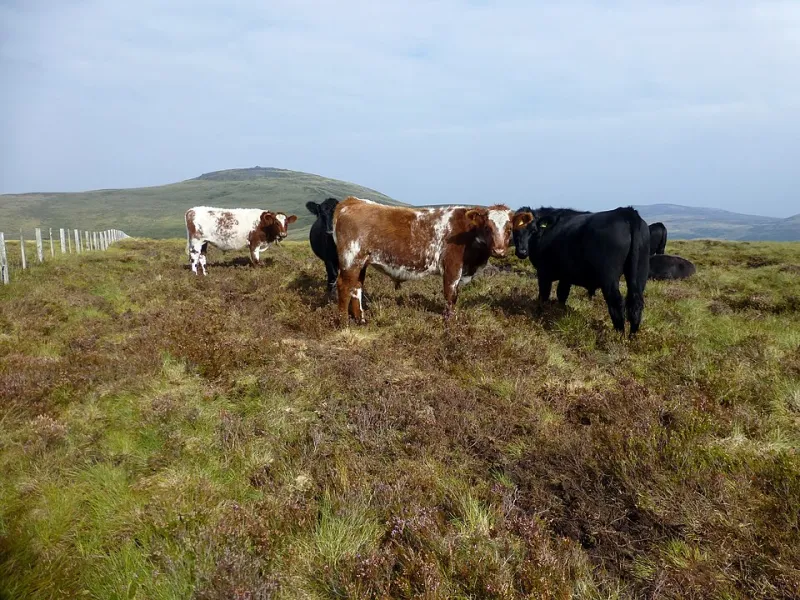
Photo: Rude Health , CC BY-SA 2.0, via Wikimedia Commons
There's a moment every Sunday at The Brown Cow when the carving board comes out and the room goes briefly, wonderfully quiet. Yorkshire puddings stacked high, roasties glistening, and at the centre of it all, beef that — we're proud to say — has travelled fewer miles to reach your plate than most of our customers have to reach their car.
But how often do any of us stop to wonder where that beef actually began? Last month, we decided to find out properly. Chef Tom hung up his apron for a morning (a feat in itself) and we went to meet the people who make our kitchen tick: our local farmers.
Two Miles Up the Road: Downhamside Farm
Our journey started at Downhamside, just over the hill from the pub, where the Hollins family have been rearing cattle for four generations. James Hollins met us at the gate with two mugs of tea and a warning about the state of the field. Both were appreciated.
His herd grazes on permanent pasture sloping down towards the Ribble — grass-rich land that James insists is the whole secret. "You can't rush a good animal," he told us, leaning on the gate as a cluster of bullocks ambled over to inspect us. "They're out on that grass for the best part of the year. That's what develops the flavour. You can't fake it with a shortcut."
Tom, who has cooked professionally for twenty-odd years, asked the question our regulars would ask: what difference does the grazing actually make on the plate? James thought about it. "Marbling," he said eventually. "Slow-grown, grass-fed beef has a fine, even marbling you don't get otherwise. When your chef here hangs it properly, that's where the depth comes from."
Tom nodded like a man being told something he'd long suspected. "It's why our sirloin needs nothing more than salt, pepper and a hot pan," he said on the drive back. "Good beef argues with fussy cooking."
The Butcher in the Middle
Between the farm and our kitchen sits another crucial link: our butcher in Clitheroe, who dry-ages the beef for a minimum of 28 days before we get our hands on it. We popped in on the way home to watch him break down a forequarter — a genuinely skillful bit of work that most people never see.
"People talk about farm-to-plate like it's two steps," he said, wiping down the block. "It's not. There's a chain, and every link matters. A farmer can do everything right, and if the ageing's rushed or the cut's sloppy, it's wasted."
It's a point Tom takes seriously. Our kitchen gets whole cuts where possible, and the butchering is done in-house — which means trim becomes dripping for the roast potatoes, bones go into stock for gravy, and nothing much leaves the building unused. Old-fashioned? Absolutely. Wasteful? Not on your nelly.
Why It Matters Beyond the Plate
Here's the honest truth: sourcing locally costs us more than the wholesale alternative would. We could buy cheaper beef. We've chosen not to, for reasons that go beyond flavour.
Every pound spent with James and farmers like him stays in the Ribble Valley. It keeps hedges trimmed, walls maintained, and family businesses viable — the landscape that brings walkers past our door and visitors into the village in the first place. A pub that doesn't support its surrounding farms is, in our view, slowly sawing off the branch it sits on.
There's also the matter of traceability, which has become something of a national talking point lately. When you order the rib-eye here, we can tell you the farm, the farmer, and roughly how long the animal spent on grass. Try getting that from a freezer lorry.
Taste It Yourself
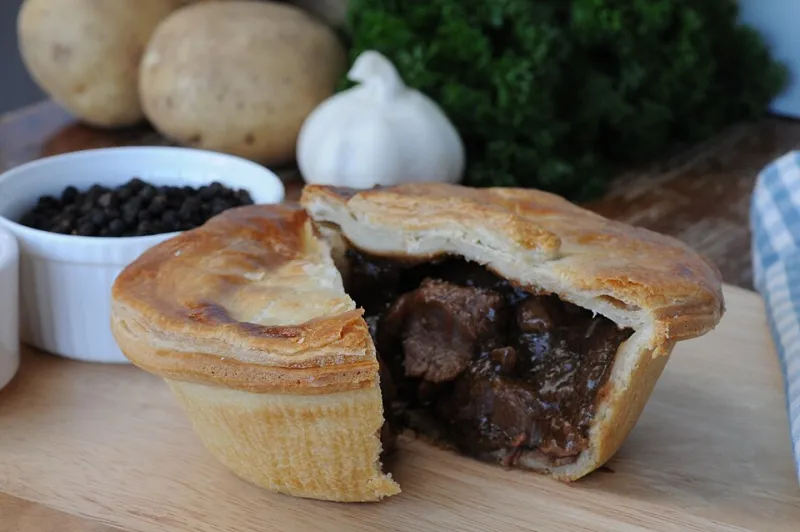
If you'd like to put all this to the test — and we'd encourage a bit of healthy scepticism from any self-respecting food lover — the results are on the menu all week. The rib-eye comes from Downhamside as standard. The slow-braised beef in our steak and ale pie is the same animal, just a humbler cut treated with patience. And the topside on the Sunday carvery is dry-aged, roasted pink, and carved to order.
We're not going to pretend we're the only pub in Lancashire doing this properly. We're not even the only one in the valley. But we can tell you exactly where every slice came from, and we think you can taste the difference.
Book a table, order the beef, and if you're passing Downhamside on a walk beforehand, give the herd a wave. They've earned it — and so has James.