Meet Beryl: The Sourdough Starter Who's Been on the Payroll Longer Than Most of the Staff
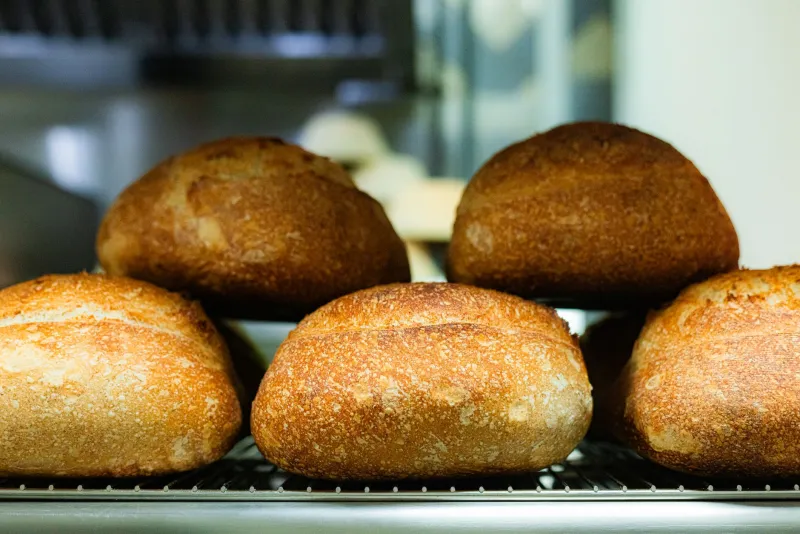
There's a jar in the back kitchen of The Brown Cow that has its own label, its own feeding rota, and — according to at least one member of kitchen staff — its own moods. It's called Beryl, and she is the beating heart of every loaf, cob and roll that arrives at your table in that unassuming little basket before your starter turns up.
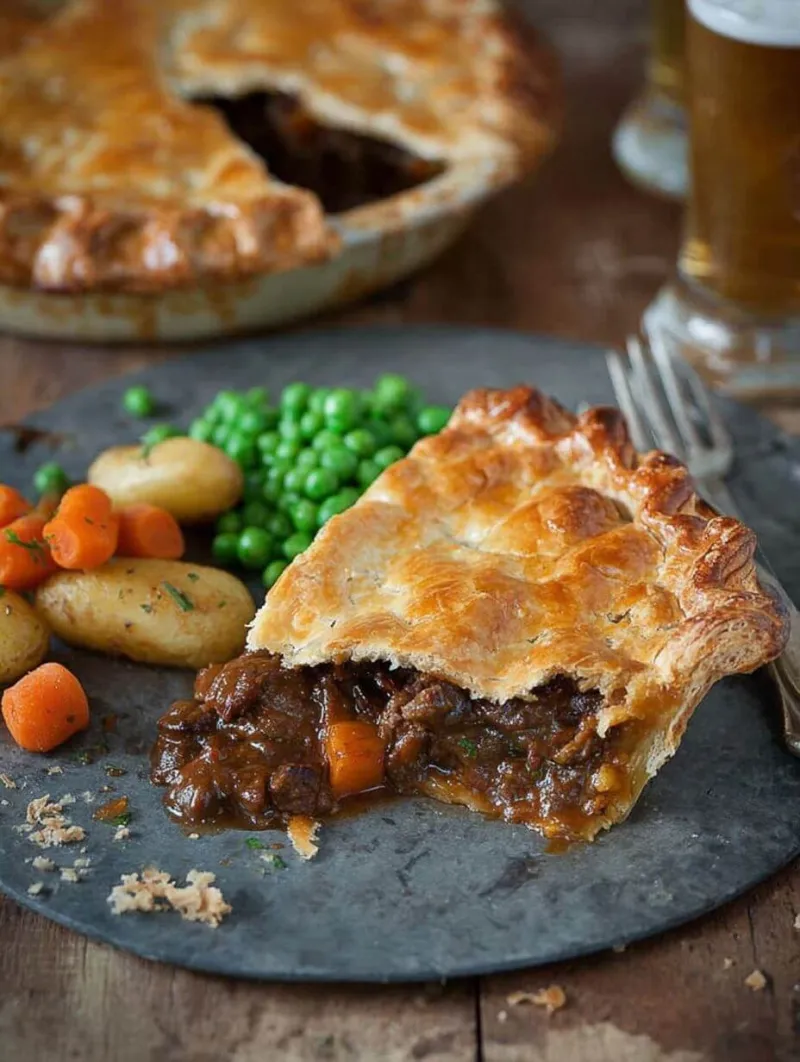
If you've ever torn into one of our cobs while waiting for the lamb hotpot, you've met Beryl's work. You just didn't know it.
A Starter with a Service History
Beryl was born — or rather, captured, cultivated and coaxed into being — about eight years ago, when our then-head chef decided that supermarket bread baskets were an insult to everything the kitchen stood for. The starter itself is rumoured to have been carried over in a Tupperware from a bakery in Clitheroe, though like all good pub legends, the details shift depending on who's telling the story.
The name? That's the good bit. Beryl was the late mother of a former landlord, a woman who apparently made a loaf every Saturday of her adult life and had firm views on anyone who couldn't. Naming the starter after her was meant as a tribute. Keeping her alive through two head-chef changes, one lockdown and a freezer failure that nearly caused a staff bereavement counselling session has become something of a sacred duty.
She's fed daily at half nine, without fail. Miss a feed and the whole kitchen hears about it.
The Bread Rota: More Complicated Than the Hotpot
What started as a bit of a vanity project has quietly become a proper programme. On any given week, the kitchen turns out:
- The everyday cob — Beryl-based, crusty, split and ready for butter or, controversially, gravy
- A darker seeded loaf for the ploughman's, made with flour milled over in the Ribble Valley
- Sunday-only rolls, slightly sweeter, designed specifically to survive a full plate of roast
It's not nothing, running a bakery inside a pub kitchen. The proving happens overnight in the corner of the prep area where the draught from the cellar door keeps the temperature honest. The bakers have learned to read the kitchen like a farmer reads the sky — humid August day, shorter prove; cold snap, Beryl sulks and everything takes longer.
There's a rota on the wall. It has more amendments than the specials board.
The Crust Question
And now we must address the fault line that runs through this pub like a crack through old crockery: crust thickness.
It sounds trivial. It is not trivial. Not to the three gentlemen concerned.
Geoff, of the Tuesday breakfast crowd, believes the crust should "resist a little" — his words — and that a cob you can compress with one thumb is a cob that has given up on life. He has been known to send bread back. Politely. But noticeably.
Maurice, who has held the same corner table since roughly the dawn of time, takes the opposite view. Thin crust, soft interior, no fighting required. Maurice is in his eighties and has earned the right to his preferences, and the kitchen quietly bakes him an off-cut of softer loaf on Saturdays. He thinks nobody knows. Everybody knows.
Then there's Diane, who doesn't care about crust at all but has the strongest opinion of the three — because for Diane, the bread basket is not a bread course. It's a delivery vehicle. Specifically, for chips and gravy.
The Dunking Debate
Ah yes. The question that has split tables, ended friendships temporarily, and once prompted a heated exchange of views across the snug on a wet Wednesday: does chips-and-gravy dunking constitute a legitimate use of a fresh-baked cob?
The kitchen's official position is a diplomatic shrug. The unofficial position, expressed by the head chef after one pint too many at the Christmas do, is that "if you're using a two-day-prove artisan cob as a gravy spoon, at least have the decency to appreciate the crumb structure while you do it."
Diane's counter-argument, delivered with the confidence of a woman who has never once doubted herself, is that bread exists to be useful, and usefulness is the highest compliment. "It's not a museum piece," she said, mid-dunk, to nobody in particular and everybody in earshot.
We've taken to slicing the cobs a little thicker on Wednesdays. Draw your own conclusions.
Why Bother?
Fair question. We could buy in bread. Nobody would notice, probably. It would be cheaper, easier, and Beryl could retire to a memory card in the head chef's phone like some kind of sourdough backup drive.
But there's something about a basket of bread that was still warm an hour ago, made by someone whose name you might catch at the pass, from flour grown a few miles up the road. It's the same logic as knowing which farm your roast came from, or which brewery your bitter's from. It's the difference between a pub that serves food and a kitchen that happens to have a bar.
Besides — Beryl would haunt us. And frankly, after eight years, she's earned her keep.
Next time the basket arrives, give the crust a proper look. If it resists a little, you'll know who to thank. Just don't tell Maurice we've gone thick again.