Walking the Pendle Way: Why Thirsty Hikers Have Always Ended Up at Our Door
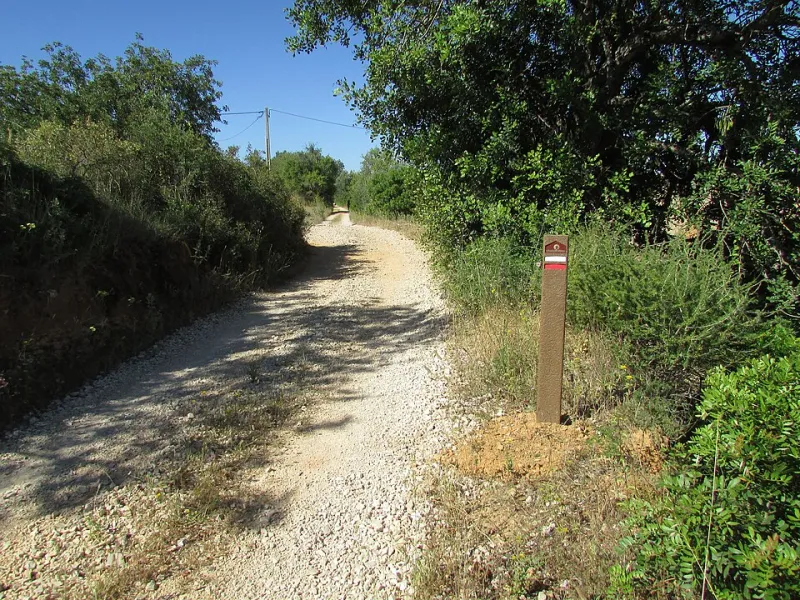
Photo: Kolforn (Kolforn) I'd appreciate if you could mail me ([email protected]) if you want to use this picture out of the Wikimedia project scope. This file is licensed under the Creative Commons Attribution-Share Alike 4.0 International license. Yo
If you've ever walked into The Brown Cow on a Saturday afternoon and wondered why half the bar smells faintly of wet wool and Kendal mint cake, you already know something about Chatburn's geography. We sit on the Pendle Way — the 45-mile circular footpath that loops around Pendle Hill — and we always have. Long before anyone thought to print the route on an Ordnance Survey map, travellers, traders and drovers were passing this way, and the thirsty ones stopped here.
A Path Older Than the Map
The Pendle Way as a waymarked route is a relative youngster, but the tracks it follows are anything but. Packhorse trails criss-crossed the Ribble Valley for centuries, carrying wool, lead and — yes — the occasional cargo of furs down from the Pennine fells towards the markets at Clitheroe and beyond. Chatburn, tucked between the Ribble and the rising ground towards Pendle, was a natural breather on those journeys.
There's a romantic idea that gets trotted out about traders trudging through with beaver pelts and fox skins bound for the cloth halls of the south. The truth is probably more modest — a few skins here, a bolt of woollen cloth there — but the principle holds: anything moving on foot through the Ribble Valley needed water, rest and somewhere warm. That's the trade we're still in, give or take the pelts.
What the Walkers Want
Fast forward to today, and the fur trade has been replaced by a rather more reliable customer: the weekend hiker. The Pendle Way pulls in walkers from Manchester, Preston and beyond, and Chatburn's position on the eastern stretch means we see them at all hours.
And what do walkers want? In our experience, it's a short and honest list:
- Something hot. Soup in winter, chilli in summer — temperature matters more than fancy.
- A proper pint. Preferably local, preferably kept well. We look after our cask lines like they're family.
- A seat that doesn't mind a bit of mud. We've never once charged anyone for drying their socks by our fire.
The Pendle Hill Effect
It would be rude to write this without mentioning the big fella himself. Pendle Hill draws its own crowds — the 1662 witch trials keep the history books busy, and the 1951 designation of the Area of Outstanding Natural Beauty (now the Forest of Bowland National Landscape) keeps the car parks busy. Walkers summit the hill, descend via Downham or Worston, and find themselves in Chatburn with legs like jelly and an appetite to match.
We've built a fair bit of our menu around that moment. A plate of our ham, egg and chips after six miles of Pendle gritstone hits differently — we'd stake the pub on it.
Why It Matters to Us
Pubs like ours don't survive on nostalgia alone, but we'd be daft to ignore what the Pendle Way means. It's a living link to every traveller who ever paused in Chatburn, shook the rain off and pushed open our door. Some things about the trade haven't changed: good drink, honest food, and a warm room at the end of a long walk.
So if you're walking the Way this season — whether you're doing the full 45 miles or just stretching your legs to the Witch's Gallop and back — know that the kettle's on, the fire's lit and the bar's ready. We've been stopping weary travellers in their tracks for longer than anyone can remember, and we've no plans to stop now.
Fancy a walk with a built-in finish line? Book a table for after your hike — or just turn up, boots and all. The Brown Cow won't judge. Well, not the muddy boots, anyway.