Two World Wars, One Bar Stool: What the Old Ledgers Tell Us About Our Pub
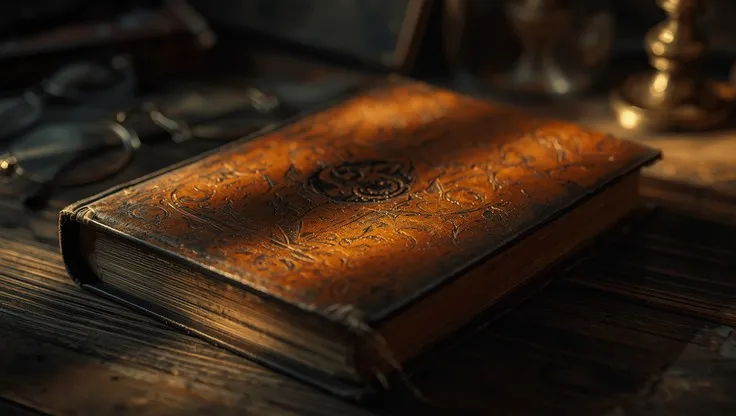
Photo: old leather ledger book on wooden pub table with pint of ale, vintage atmosphere, via images.stockcake.com
There's a box in the Lancashire archives, catalogue number and all, labelled simply 'Chatburn public houses'. We signed the visitor book, put our phones on silent and spent the better part of a Tuesday getting steadily more giddy over nineteenth-century handwriting. What we found paints a picture of this pub that no amount of fresh paint or new menu boards ever could.
The First Landlord and a Very Strict Ledger
The earliest record we could confidently pin to these four walls dates to the 1870s, when the pub was tenanted under the brewing company system that dominated the Ribble Valley at the time. The first landlord's ledger — a leather-bound brute with a spine like a church hymnal — records barrels in, pennies out, and precious little else. But between the lines, you can read a village. Ale for the quarrymen. Ginger beer ordered in bulk in July. A suspicious quantity of brandy every time the doctor was seen in town.
One entry made us laugh out loud in a silent reading room: 'Mrs H — one shilling — paid in eggs, again.' Some things, apparently, never change. We still have locals who try to settle tabs in produce.
When the Lights Went Out
The wartime years are the ones that hit hardest. During the First World War, the pub's records thin out — men from Chatburn who drank here went to France, and not all of them came back. The village war memorial down the road carries names that appear in the ledger just months before 1914. It's hard to look at a bar stool and not wonder who sat on it, and where they ended up.
By the Second World War, the picture is different but no less poignant. Rationing meant the kitchen ran on ingenuity — the 1943 accounts show purchases of spam, dried egg and something optimistically listed as 'stew mix'. Beer was limited, hours were restricted, and yet the pub stayed open. There's a note from 1941 recording a collection taken at the bar for the Chatburn Spitfire Fund. The total raised was enough, the archivist told us, to buy roughly four square inches of aeroplane.
The Gastropub Arrives, Grumbling
The 1970s and 80s entries show a pub caught between eras. One landlord's stock book from 1976 lists crisps in three flavours and a single bottle of 'wine, red' that appears to have sat unsold for two years. Then, bit by bit, the food side grows. Pie and peas becomes pie, peas and a side. Sandwiches become baguettes. By the 1990s, someone has written 'gastropub??' in the margin of a menu draft, with a question mark that suggests real anxiety about the whole business.
We like to think we've settled the argument: hearty pub fare, done properly, with the occasional flourish. No foam. No deconstruction. Just food that would make Mrs H and her eggs feel at home.
Help Us Fill in the Blanks
Here's the thing about ledgers — they record what was bought, not what happened. They don't tell us about the wedding do in the back room in 1954, or the landlord who allegedly kept a ferret behind the bar, or the flood night when everyone mucked in together.
So we're asking. If you've got photos of The Brown Cow from any era — a birthday in the snug, a darts team from the seventies, a grainy snap of your grandparents propping up the bar — bring them in or send them over. We're planning a proper memory wall in the back room, and we'd rather it be built from your albums than our imagination.
Pop in, mention the ledgers, and the first brew of the afternoon's on us. The Brown Cow has been keeping Chatburn's stories for 150 years. Time we got them all down on paper.