Sticky Toffee and Two Villages: Following One Pudding Home
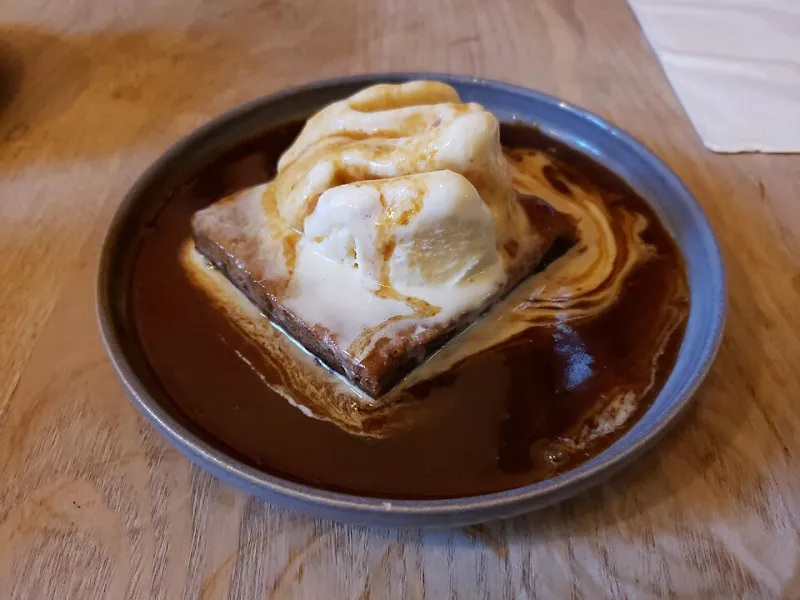
Photo: Andy Li, CC0, via Wikimedia Commons
There's a moment we see most evenings, usually around the second forkful, when a guest looks up from their sticky toffee pudding and asks: 'Is this homemade?' The honest answer is yes — but it's also the least interesting version of the story.
The better answer is that this particular pudding has a family tree. It has addresses. It has people you could wave at across the valley. So last month, we decided to do something a little indulgent for a food website: we followed one dessert backwards, from the pass in our kitchen all the way to the fields and farm kitchens that make it possible.
Starting at the End: The Table by the Window
Our pudding arrives warm, split open under a spoonful of sauce, with a scoop of proper dairy ice cream slumped against it. Total distance travelled by every component: under four miles. Total distance travelled by most supermarket equivalents: nobody knows, and that's rather the point.
Head chef Marion puts it bluntly. 'A dessert should tell you where you are. If I closed my eyes and ate a pudding in Milton Keynes and it tasted the same as one in Chatburn, something's gone wrong with my life.'
First Stop: The Dairy Up the Lane
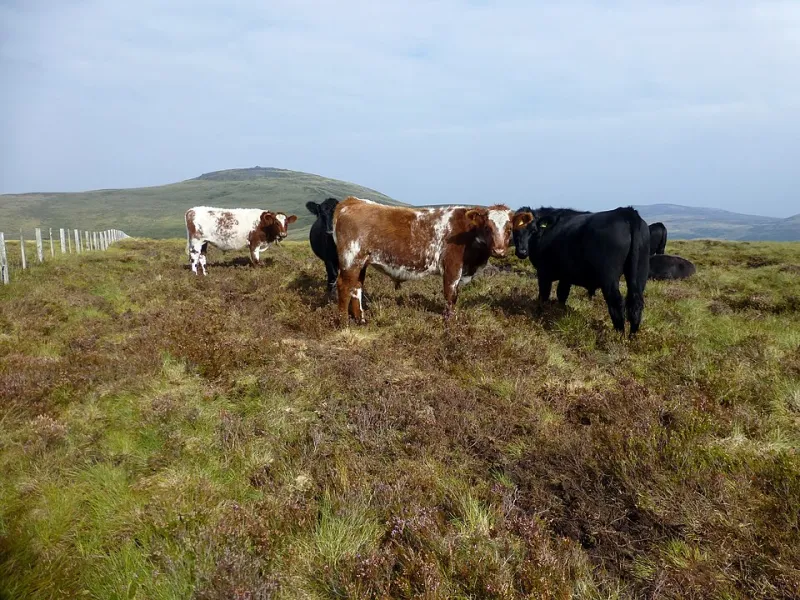
The ice cream starts with the herd at a farm just over the fields — the same Ribble Valley dairy we've bought from since before some of our current staff were born. The milk is collected twice a week, and on ice cream days it goes straight into the churn before it's had time to get bored.
Because the milk hasn't been processed within an inch of its life, it carries the grass of the season. In late spring, when the cows are out on fresh pasture, the ice cream turns noticeably richer. Regulars notice. We've had complaints — the complimentary kind — that the puddings 'taste better in May.' They do. That's the grass talking.
Two Villages Over: The Jam Maker
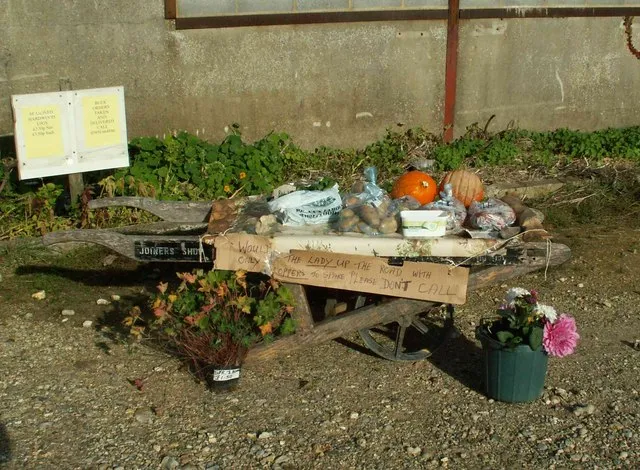
The sticky toffee itself is studded with dates and finished with a spoonful of a dark, glossy preserve made by a jam maker two villages over, who supplies us in quantities best described as 'enthusiastic.' She works out of a converted outbuilding and refuses, on principle, to write anything down.
The recipe lives in her head, and the fruit depends on what's good — damsons in autumn, rhubarb from her neighbour's patch in early summer. We've learned to stop asking for consistency and start asking what's in the pot this week. It makes the specials board more interesting, and it means our puddings drift gently with the seasons rather than sitting frozen in time.
The Dates, The Sauce, The Honest Bit
We won't pretend every single ingredient comes from within a stone's throw. The dates come from much further afield — dates don't grow in Lancashire, whatever the fog might suggest — and the muscovado in the sauce travels too. Provenance isn't about perfection; it's about knowing your suppliers and being able to name them.
What we can promise is this: the dairy is up the lane, the jam is two villages over, the eggs are from a smallholder whose hens have better views than most holiday cottages, and the flour comes from a mill we've actually visited.
Why Bother With a Four-Mile Pudding?
Because dessert is the last impression, and last impressions linger. A guest might forget their starter, but they'll remember a pudding that tasted of somewhere. When the Brown Cow's sticky toffee leaves the kitchen, it carries the lane, the herd, the jam pot and the season with it.
Next time you're in, ask what's in the pot this week. The answer changes — that's rather the joy of it.